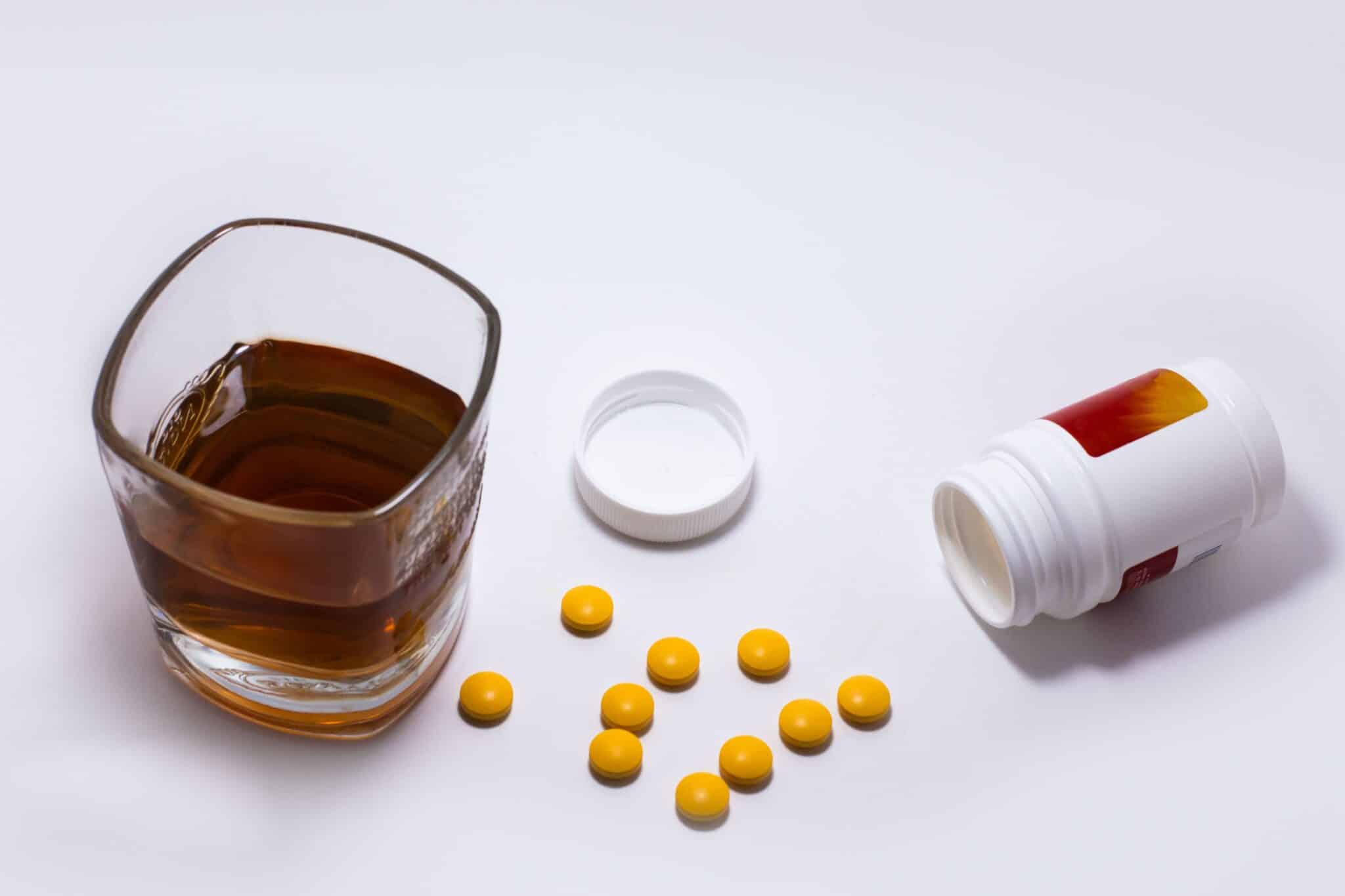
The image most people have of an alcoholic is the one shown in movies. Slurred words, lost jobs, broken families, mornings spent on the bathroom floor. If you don’t fit that picture, it is easy to assume you are fine. You hold down a career. You pay your bills on time. You show up to your kid’s recital, you finish the projects, you keep the relationships intact. The wine bottle that empties faster than it used to, or the after-work drinks that turned into every night, those feel like manageable details, not symptoms.
This is the world of the functional alcoholic, and it is a quiet one. The term describes someone who meets the clinical criteria for an alcohol use disorder while still keeping the rest of their life looking, from the outside, like it is working. The danger is right there in the description. The functioning part is doing a lot of work to hide what is happening underneath.
What the Term Actually Means
A functional alcoholic, sometimes called a high-functioning alcoholic, is not a medical diagnosis. You will not find the term in the DSM-5. What clinicians actually diagnose is alcohol use disorder, and the criteria are not about whether you keep your job or your marriage. They are about your relationship with the substance itself. How much do you drink? How often. Whether you can stop when you want to. Whether the drinking has started to take more from you than it gives back.
The reason the term exists at all is that there is a group of people whose lives have not yet been visibly damaged by their drinking, even though everything inside the relationship with alcohol matches the pattern of someone who needs help. The professional success, the maintained appearance, the social respectability, all of it can mask a problem that is already real and is slowly getting worse.
The Internal Experience Most People Do Not Talk About
Most articles on this topic give you a list of external signs. Those are useful, and we will get to them. But the more honest place to start is what it actually feels like to be a functional alcoholic, because the external signs are easy to explain away and the internal experience is much harder to lie to yourself about.
It feels like always knowing where the next drink is coming from. Counting how many drinks are left in the bottle without meaning to. Planning your evenings around when you can pour one without anyone watching. Feeling a kind of low-grade tension at any event where alcohol is not flowing, and a corresponding relief when it appears. It feels like negotiating with yourself constantly. I will only have two tonight. I will not drink before six. I will skip Monday. And then watching those rules break, quietly, week after week.
It feels like a private double life that you mostly do not think about until you are alone with your thoughts at three in the morning.
The External Signs Worth Knowing
These are the patterns that show up in the world, the ones people around a functional alcoholic might eventually notice, even when the person hiding the drinking is doing everything they can to keep things looking normal.
- High tolerance: You can drink amounts that would put other people on the floor, and still seem composed. This is not a badge of honor. It is the body adapting to consistent heavy use, which is one of the clearest signs of physical dependence.
- Drinking alone or in secret: The pour you take while everyone else is upstairs. The bottle in the desk drawer. The trips to a second liquor store so the regular one does not see how often you are coming in. Hiding consumption is one of the most telling patterns, because it shows you already suspect the amount is not normal.
- Using alcohol to cope: Drinking to come down from a stressful day, to fall asleep, to manage anxiety, to take the edge off a difficult conversation. Alcohol works in the short term, which is exactly why it becomes a trap. The relief reinforces the habit until the habit becomes a dependence.
- Rationalizing the amount: I only drink wine. I only drink on weekends. I only drink the good stuff. I drink less than my friends. The quality of the alcohol, the schedule, or the comparison to someone else are all ways the mind protects the habit from honest examination.
- Blackouts you brush off: Forgetting what you said or did the night before. Waking up unsure how you got home. Even if it happens once every few months, it is a serious neurological sign that alcohol is interfering with your brain function, not just your mood.
- Withdrawal between drinks: Shakiness in the morning. Anxiety that fades after the first sip. Trouble sleeping when you go a night without drinking. These are physical signs that your body has started to expect alcohol and protests when it does not get it.
Personality changes. People who are close to you might mention that you seem different after a few drinks. More irritable, more emotional, more shut down. Over time, the changes can bleed into the sober hours, too.
The Genetic and Family Piece
Research has consistently found that about a third of people who fit the functional alcoholic pattern have a close relative with alcohol use disorder. The National Institute on Alcohol Abuse and Alcoholism notes that genetic factors account for roughly half of an individual’s risk for developing the condition. This does not mean you are destined to follow a parent or grandparent. It does mean that if alcoholism runs in your family, the baseline risk is higher, and the early warning signs deserve more weight, not less.
Why Functional Alcoholics Wait Longer to Get Help
Most people who finally walk into a treatment center talk about a moment, or a season, when they could no longer pretend. A health scare, a relationship ending, a job loss, a near miss while driving. Functional alcoholics often go years without that triggering event because the cushion of professional and social stability absorbs the consequences that would have forced the conversation sooner.
This is the cruel paradox of the condition. The same success that makes someone able to function while drinking heavily is the thing that delays the help they need. By the time the wall finally cracks, the physical, emotional, and relational damage has often been building quietly for a decade or more.
The Question Worth Sitting With
If you have read this far and something has been recognized in the description, you are not the first person to feel that. The question to ask yourself is not whether your drinking has destroyed your life yet. It is whether your relationship with alcohol is one you would choose if you were starting fresh today. Whether you can imagine a Friday night, a vacation, a hard week, a celebration, without alcohol being a required part of it. Whether you have tried to cut back and could not.
Honesty about these questions is hard precisely because the answers might mean change. But the changes are not as catastrophic as the mind imagines. Treatment for alcohol use disorder does not require hitting some imagined bottom. It does not require losing everything first. The earlier the conversation happens, the more there is to protect.
What Help Actually Looks Like
The framework that works for alcohol use disorder is rarely one approach in isolation. For people who have been drinking heavily for years, the first step is usually medical, because alcohol withdrawal can be physically dangerous and benefits from supervised support. From there, the work moves into therapy, often a combination of one-on-one and group, that addresses both the drinking itself and the patterns underneath it. Stress, anxiety, trauma, depression, the things alcohol was being used to manage in the first place.
There is no one program that fits everyone. Some people do well with intensive outpatient care that lets them keep working. Others need a residential setting for a period of time to fully step out of the environments where the drinking happened. The right plan depends on the severity of the dependence, the home situation, the support system, and what the person actually needs to make change stick.
Final Thoughts
A functional alcoholic is not a person who has failed. They are often someone who has succeeded at almost everything else and is quietly losing one specific battle inside their own life. Recognizing that the battle is real is not the end of anything. It is the moment when honest help becomes possible. The drinking can stay invisible to everyone around you for a long time. But you know what is happening, and that knowledge is the thing that makes change possible, whenever you decide you are ready for it.
There is no clinical difference. Both meet the criteria for alcohol use disorder. The label "functional" just describes someone whose external life still looks intact, while a non-functional alcoholic shows more visible damage like job loss, financial problems, or relationship breakdown. The internal dependence is the same, and the long-term health risks are the same. The functional label often just means the consequences have been delayed, not avoided.
Some people manage to, especially in earlier stages or with strong outside support. But anyone who has been drinking heavily for an extended period should not stop suddenly without medical guidance. Alcohol withdrawal can include tremors, seizures, and a dangerous condition called delirium tremens. A supervised detox is the safer starting point, and from there outpatient or residential treatment helps address what was driving the drinking in the first place.
There is no exact number, because tolerance varies and the diagnosis is based on patterns rather than a single threshold. That said, regularly exceeding 14 drinks per week for men or 7 per week for women is associated with a significantly higher risk of alcohol use disorder. The bigger question than quantity is the relationship. Do you feel you need to drink? Do you struggle to stop once you start? Does life feel harder without it?
Yes, and this is one of the defining features of the condition. High tolerance lets people drink heavily without appearing drunk. Professional success creates a buffer that hides the consequences. Friends and family often miss the signs because the person is competent, social, and seemingly fine. The internal experience tells a different story, but unless the person speaks up or the situation reaches a breaking point, the pattern can continue for a decade or more.
Honest reflection comes first, and that does not require a doctor or a therapist. Ask yourself if you would choose your current relationship with alcohol if you were starting fresh today. If the answer is no, the next step is talking to someone who can help you see the full picture clearly. That might be a primary care doctor, a counselor, or an addiction treatment program. You do not have to commit to anything by starting the conversation. You just have to start it.