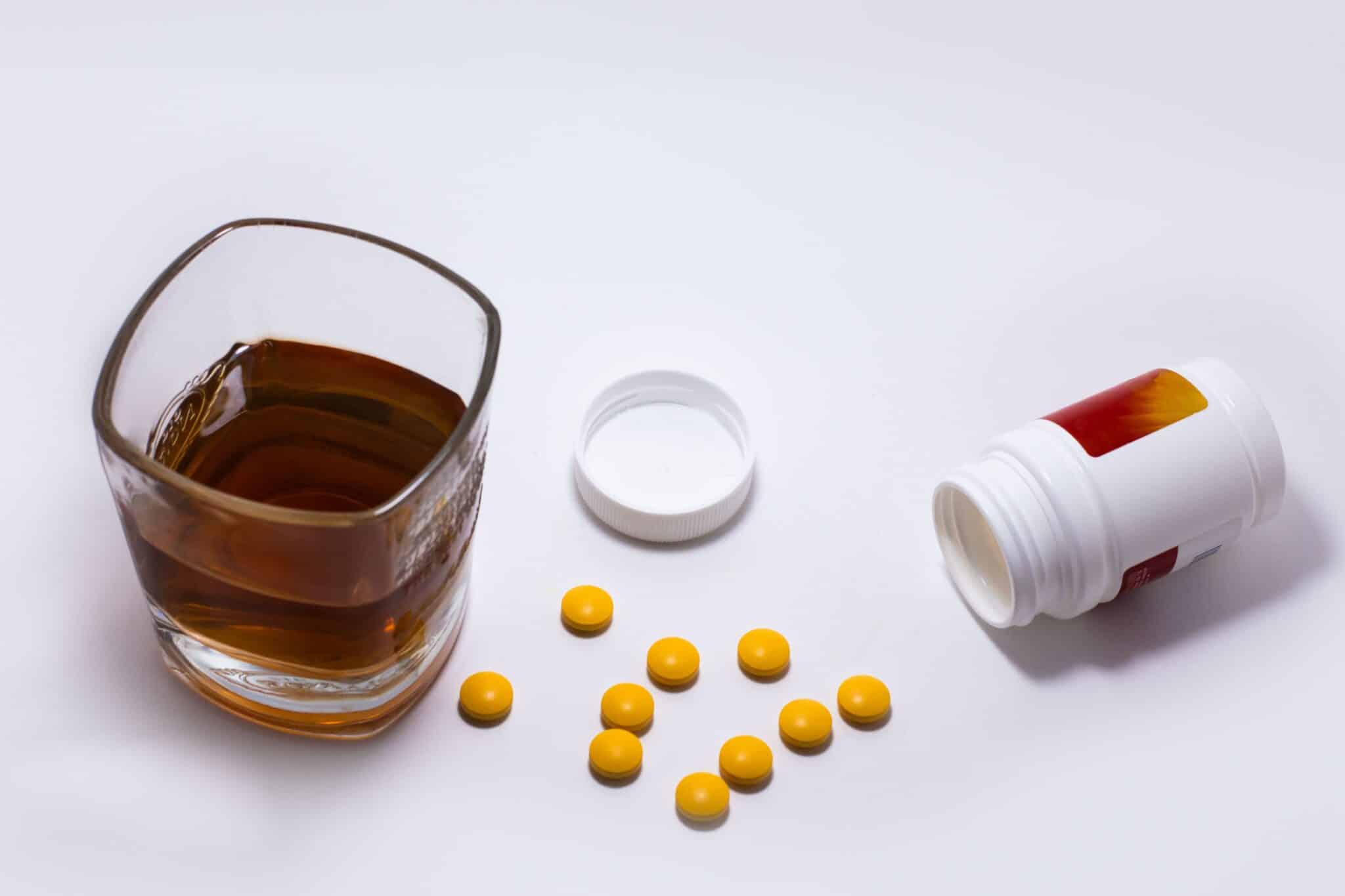
Most people don’t think twice about it. The headache shows up, you reach for an Aleve, and later that night, you have a glass of wine with dinner or a beer at the bar. It feels harmless. The bottle doesn’t scream a warning. Your doctor never made a big deal about it. So you just go on with your evening.
Here is the straight answer, though. Mixing naproxen and alcohol is not safe, even at the doses most people consider casual. The risk is not always immediate, and it is not always dramatic. Sometimes nothing happens at all, which is part of what makes the combination tricky. But the underlying interaction is real, and the more often you pair the two, the more the risk builds quietly in the background.
This guide is for two kinds of readers. The person standing in the kitchen is wondering if it is okay to have a drink tonight after taking a pill at lunch. And the person who has been doing this regularly for months or years without thinking about it, and is starting to wonder if they should pay closer attention. Both of you are in the right place.
What Naproxen Actually Is
Naproxen is a nonsteroidal anti-inflammatory drug, commonly abbreviated as NSAID. You probably know it by its over-the-counter name, Aleve. In prescription form, it goes by Naprosyn or Anaprox, often in a stronger dose like 500mg. People take it for arthritis, muscle pain, menstrual cramps, headaches, and joint inflammation. It works because it blocks chemicals in your body called prostaglandins, which are responsible for both pain and inflammation.
That same blocking action is exactly where the trouble starts. Prostaglandins also protect the lining of your stomach from the acid your body produces every day. When naproxen reduces them, your stomach lining loses some of its defense. For most people, taking a pill or two here and there does not cause noticeable problems. The damage is small, and the body repairs itself. But when you add alcohol to the picture, the math changes.
What Happens When the Two Mix
Alcohol does two things to your stomach. It increases the amount of acid your stomach produces and directly irritates the lining. So now you have one substance stripping away your stomach’s protection and another substance pouring acid onto the spot where the protection used to be. The two do not just add up. They compound. Your body is fighting on two fronts at once, in the same place, at the same time.
This is why mixing the two carries a much higher risk of stomach problems than either one on its own. It is also why someone can take naproxen safely for years, drink alcohol safely for years, and still run into trouble the moment they combine the two on the wrong day.
Short-Term Risks You Might Notice
The first signs are usually the ones you can feel. Stomach pain or a burning sensation in the upper belly. Nausea that does not go away. Heartburn that feels sharper than usual. Some people experience dizziness or drowsiness, since both naproxen and alcohol can affect alertness, and together, that effect is stronger. This is part of why mixing the two raises the risk of falls and accidents, especially in older adults.
For some people, the first warning sign is darker. Stools that look black or tarry, or vomit that contains blood or looks like coffee grounds. These are signs of bleeding inside the stomach or upper digestive tract, and they need immediate medical attention. According to the National Institute on Alcohol Abuse and Alcoholism, mixing NSAIDs and alcohol regularly is one of the most common preventable causes of stomach bleeding in adults who otherwise consider themselves healthy.
The Long-Term Picture
Most people who mix occasionally will be fine. The risks scale with frequency, dosage, and time. The longer you do it and the heavier the doses on either side, the more the damage accumulates. Over months and years, the combination can lead to chronic gastritis, which is ongoing inflammation of the stomach lining. It can lead to ulcers, which are open sores that may bleed and require treatment to heal. In some cases, it can contribute to kidney strain, since both substances put extra work on the organs that filter them.
Liver damage is less commonly discussed but worth understanding. Naproxen by itself is not particularly hard on the liver, but regular alcohol use is. When the liver is already working harder to process alcohol, adding a drug that needs to be metabolized makes the workload heavier. People who drink daily and take naproxen daily for chronic pain are stacking two ongoing pressures on the same organ system.
There is also a quieter risk. People who use over-the-counter painkillers to manage hangovers, or take naproxen specifically so they can drink without consequences, are walking into a pattern. The drug is not addictive in the way opioids or benzodiazepines are. But the behavior of using one substance to make another substance more tolerable is a familiar pattern in early problem drinking. It is worth naming.
How Long Should You Wait
This is one of the most common questions, and the honest answer is that there is no single number that fits everyone. Naproxen has a long half-life compared to other NSAIDs. It stays active in your body for around 12 to 17 hours after a dose, which is longer than ibuprofen or aspirin. That is part of why it works so well for pain that lasts most of the day, and also why the window of interaction with alcohol is longer.
A general guideline that most clinicians give is to wait at least 12 hours between a dose of naproxen and any alcohol, and ideally to avoid drinking entirely on days you take it. If you have already had a drink and you have pain, waiting a few hours and choosing acetaminophen with caution may be a better option for that one occasion, though acetaminophen has its own interaction with alcohol that you should not ignore either. The safest approach is to plan when possible rather than treat the question as a calculation in the moment.
What About a 500mg Prescription Dose
The questions get more pointed when you are taking the prescription strength. Naproxen 500mg is more than double the over-the-counter dose, which means the effects on your stomach lining are stronger and last longer. The wait time grows. The risk grows. If your doctor has put you on prescription naproxen for a chronic condition, mixing in alcohol regularly is not a gray area. It is something to bring up at your next appointment, honestly, even if the conversation feels uncomfortable.
When the Combination Becomes a Pattern
This is where the conversation shifts. Most people who mix naproxen and alcohol once in a while will not develop a problem. But there is a quieter group of people for whom the mixing has become routine. Painkillers to take the edge off a hangover. A drink to take the edge off chronic pain. A cycle where each substance is being used to manage the side effects of the other.
The signs that the pattern has moved from casual to concerning are usually subtle. You think about the next dose or the next drink more than you used to. You hide your use from people close to you. You find yourself needing more of either substance to get the same effect. You have tried to cut back and could not. None of these signs make you a bad person, and none of them mean you are beyond help. They mean it might be time to have a conversation with someone who can listen without judgment.
When to Talk to Someone
If you have noticed stomach symptoms after mixing naproxen and alcohol, your first call is to a doctor. Internal bleeding is the kind of problem that is much easier to treat early than late. If you have noticed that your relationship with alcohol has changed, that you are drinking more than you used to, or that painkillers have become part of how you cope with daily life, that conversation belongs somewhere else. With a counselor, a primary care doctor you trust, or a treatment program that knows how to handle both alcohol use and the layered health issues that often come with it.
The recovery process is rarely about one substance in isolation. People who come in for help with alcohol often discover that other patterns, including casual painkiller use, were part of the picture all along. Treating the whole picture, rather than just one piece, is what makes recovery stick.
Final Thoughts
Naproxen and alcohol are one of those combinations that people overlook because they feel ordinary. There is no high involvement. There is no rush. Nothing about it feels like a problem worth taking seriously, which is exactly why so many people end up in the emergency room with bleeding they never saw coming. Paying attention to the small choices, the late-night Aleve and the casual second glass, is how you keep something small from becoming something serious. Your body has been telling you what it needs all along. The work is in listening.
Got it. Here are the FAQs for the blog, pulled from the validated question keywords so they double as search-volume capture and reader value.
No, it is not recommended. Naproxen 500mg is a prescription strength dose, which means more of the drug is in your system and your stomach lining is under stronger pressure for longer. Adding alcohol on top of that significantly raises the risk of stomach irritation, ulcers, and bleeding. If you are on prescription naproxen for a chronic condition like arthritis, talk to your doctor about how to handle social drinking, rather than guessing on your own.
Most clinicians recommend waiting at least 12 hours after your last naproxen dose before having any alcohol. Naproxen has a longer half life than other NSAIDs like ibuprofen, which means it stays active in your body for 12 to 17 hours. If you took a dose in the morning, evening drinks are still inside the interaction window. The safest approach is to skip alcohol entirely on days you take naproxen.
It depends on how much you drank and how recently. If you had one drink several hours ago, a single dose of naproxen is unlikely to cause serious harm in most healthy adults, though it still carries some risk. If you have been drinking heavily or recently, taking naproxen on top of that pours acid onto an already irritated stomach. In those cases, it is better to wait, hydrate, and reach for a different option if pain relief is essential.
Yes. Aleve is the most common over the counter brand name for naproxen sodium. The dose is lower than prescription naproxen, but the interaction with alcohol is the same in kind, just smaller in scale. Occasional use of Aleve with a drink is not as risky as mixing prescription doses with heavy drinking, but the underlying mechanism, alcohol increasing stomach acid while naproxen reduces protection, applies either way.
Pay attention to the type of pain. Mild stomach upset that fades within a few hours is uncomfortable but usually not dangerous. Sharp or persistent pain, vomiting, black or tarry stools, or vomit that looks like coffee grounds are signs of internal bleeding and need emergency care immediately. If you find yourself dealing with stomach symptoms after mixing the two more than once, it is worth talking to a doctor about your usage patterns before the damage builds up.