🎧 Listen to this article:
What happens in rehab? The short answer is that it is structured, therapeutic, and designed specifically to help you rebuild from the inside out. This guide walks through a typical day in residential treatment, the types of therapy you will encounter, and what to expect when treatment ends.
What to Expect When You First Arrive
The first day is its own thing. Most people describe it as a mix of exhaustion, relief, and low-grade anxiety. You check in, your bags get looked through, and you go through an intake assessment with a member of the clinical team. They will ask about your health history, what substances you have been using, how long, and how much. It can feel like a lot of questions when you are already depleted, but this is how your care team builds a picture of what you actually need.
If your body is physically dependent on alcohol or certain drugs, detox comes first. This is medically supervised and the goal is to get you through withdrawal safely. Comfort Recovery offers 24/7 supervised inpatient detox, so there is always someone there if things get difficult. Once you are through that phase, the real work of treatment begins.
What a Typical Day in Rehab Looks Like
One of the things that surprises people most about rehab is how structured it is. There is a schedule, and you follow it. That is not an accident. Structure is itself a form of treatment. For most people in early recovery, unstructured time is exactly where the danger lives. Routine replaces chaos, and that shift alone can be significant.
Mornings: Structure and a Fresh Start
Most residential programs start the day early. You wake up, eat breakfast, and move into morning meetings or check-ins with other residents. Some facilities incorporate mindfulness, journaling, or light exercise into the morning routine. The point is to start the day with intention rather than drifting into it.
Mornings often include one-on-one time with a primary therapist or a group session. This is where a lot of the cognitive work happens, examining thought patterns, identifying triggers, building awareness around the behaviors that led to or sustained addiction.
Afternoons: The Heart of Treatment
Afternoons are typically the most intensive part of the day. This is when the bulk of therapy happens, both individual and group. You might have a session with your personal therapist, followed by a group session where you and other residents work through a particular theme or skill together.
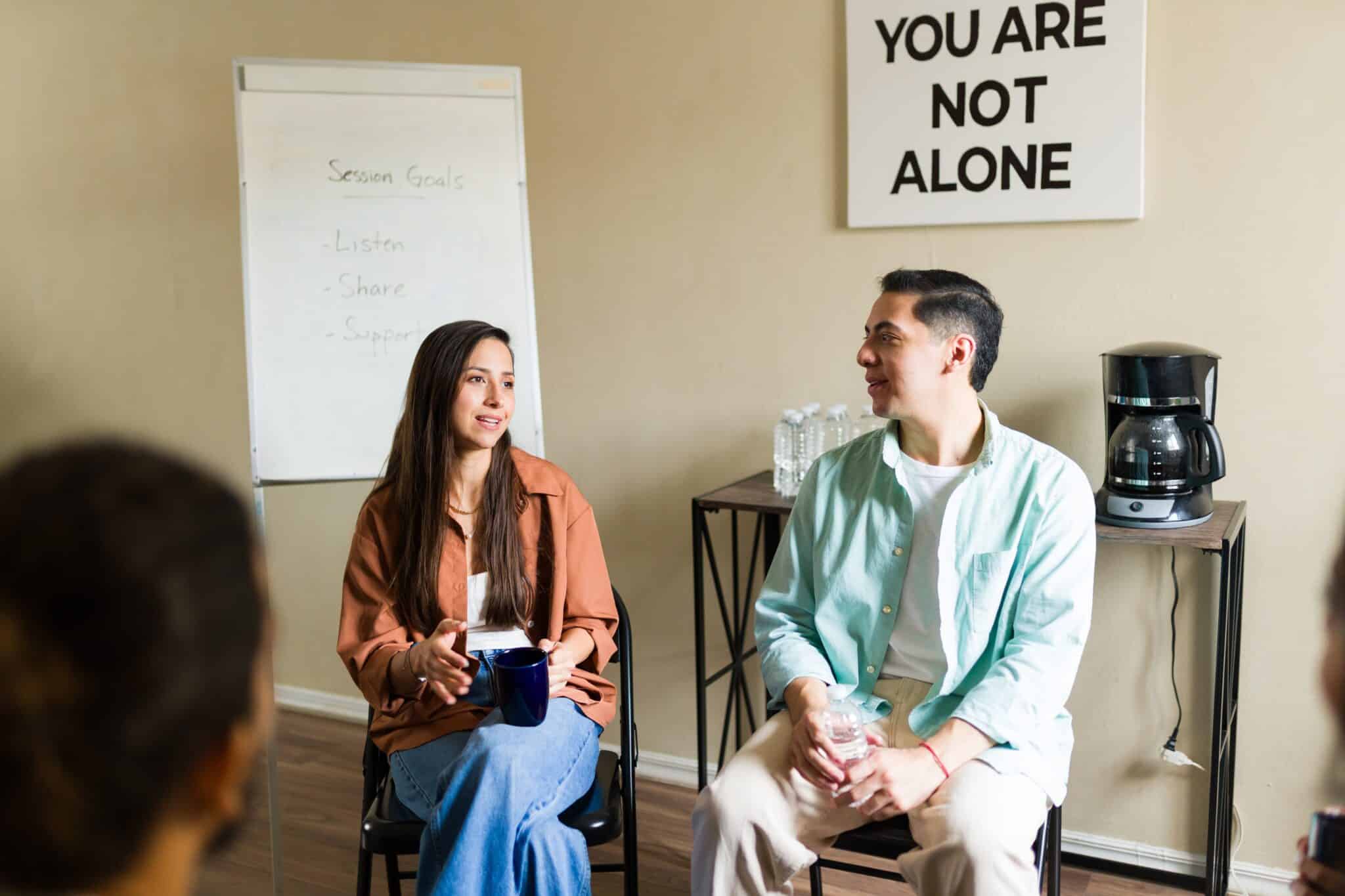
Group therapy is something people often dread before they experience it and value deeply by the time they leave. There is something specific that happens when you hear someone else describe exactly what you thought was a private experience. It is not just validating, it is clarifying. You start to see your own situation more honestly through other people’s stories.
Some programs also include specialized sessions during the afternoon, things like cognitive behavioral therapy, dialectical behavior therapy, trauma-focused work, or family therapy sessions. The specific mix depends on your individual treatment plan.
Evenings: Reflection and Downtime
Evenings tend to be lighter. Dinner, some free time, and often a 12-step meeting or reflection group to close out the day. Some facilities bring in outside speakers or host alumni who share their experiences. The evenings are also when you start to build relationships with other residents in a less formal way, which turns out to matter more than most people expect.
Downtime is a real part of the schedule, not just filler. Learning how to be with yourself, without substances and without constant stimulation, is part of what rehab teaches you.

The Types of Therapy You Will Encounter in Rehab
What happens in rehab is really built around a core of therapeutic work. The structure holds everything together, but therapy is where the actual change happens. Below is a breakdown of the most common types and what each one involves.
Individual Therapy
- One-on-one sessions with a licensed therapist
- Focuses on personal history, triggers, and what drove the addiction
- Private, confidential, and tailored to each person
- Where most people address things they have never talked about before
Group Therapy
- Small group sessions facilitated by a therapist
- Topics include relapse prevention, emotional regulation, and communication skills
- Builds accountability and shared understanding among residents
Research published by the National Institutes of Health confirms that cognitive behavioral therapy, one of the most common modalities used in residential treatment, is among the most evidence-based approaches available for substance use disorders.
Family Involvement
- Many programs include family therapy sessions, in person or via video
- Addresses patterns and dynamics that exist outside the facility
- Can be some of the most important work done during the entire treatment process
Learn more about residential treatment at Comfort Recovery.
What Happens in Rehab Beyond the Schedule
The daily schedule is the skeleton, but what fills it in is harder to put into words. It is the slow process of getting honest with yourself, often for the first time in a long time. It is learning to sit with discomfort without immediately reaching for something to make it stop. It is building a vocabulary for your own emotional life.
People often say that what they got from rehab was not just sobriety, it was a completely different relationship with themselves. That does not happen all at once. It happens across dozens of ordinary days, in small sessions and quiet conversations and moments where something finally clicks.
What Comes After Rehab
The day treatment ends is not the end of recovery. Most people step down from residential care into an outpatient program, which keeps the structure and therapeutic support going while they start re-engaging with daily life. Sober living is another option for people who are not ready to return to their home environment right away.
What comes after rehab is something worth thinking about before you leave. The facilities that do this well will help you build a concrete plan for what support looks like once you walk out the door.
Final Thoughts
A lot of people go into rehab not knowing what to expect. That is completely normal. What happens in rehab is less mysterious than it sounds once you are inside it. It is structured, it is supported, and it is designed specifically around helping you get better.
If you are trying to understand what rehab is really like, either for yourself or someone you care about, the most honest answer is this: it is hard work, and it is worth it.