🎧 Listen to:
Managing Anger as a Trigger in Recovery
Anger is one of the most common and least talked about triggers in addiction recovery. This article breaks down why anger hits so hard in sobriety, what is really going on underneath it, and practical strategies for managing it without relapsing.
Understanding Anger as a Trigger in Recovery
Most people in recovery expect to deal with cravings. They prepare for sadness, anxiety, even boredom. But anger is the one that sneaks up and does the most damage before you even realize what happened. One minute you are fine, and the next something small sets you off and suddenly the whole day feels like it is falling apart. That rush of frustration, that heat in your chest, it can feel almost impossible to sit with. And for a lot of people, that is exactly where the urge to use comes flooding back.
Anger as a trigger in recovery is one of the most overlooked challenges people face. It does not get the same attention as depression or anxiety, but it can be just as dangerous when it comes to relapse. Part of the reason is that anger feels productive in the moment. It feels like you are right, like someone else caused this, like the emotion is justified. And maybe it is. But justified or not, the way anger moves through your body can send your nervous system into overdrive, and that is when decision making starts to break down.
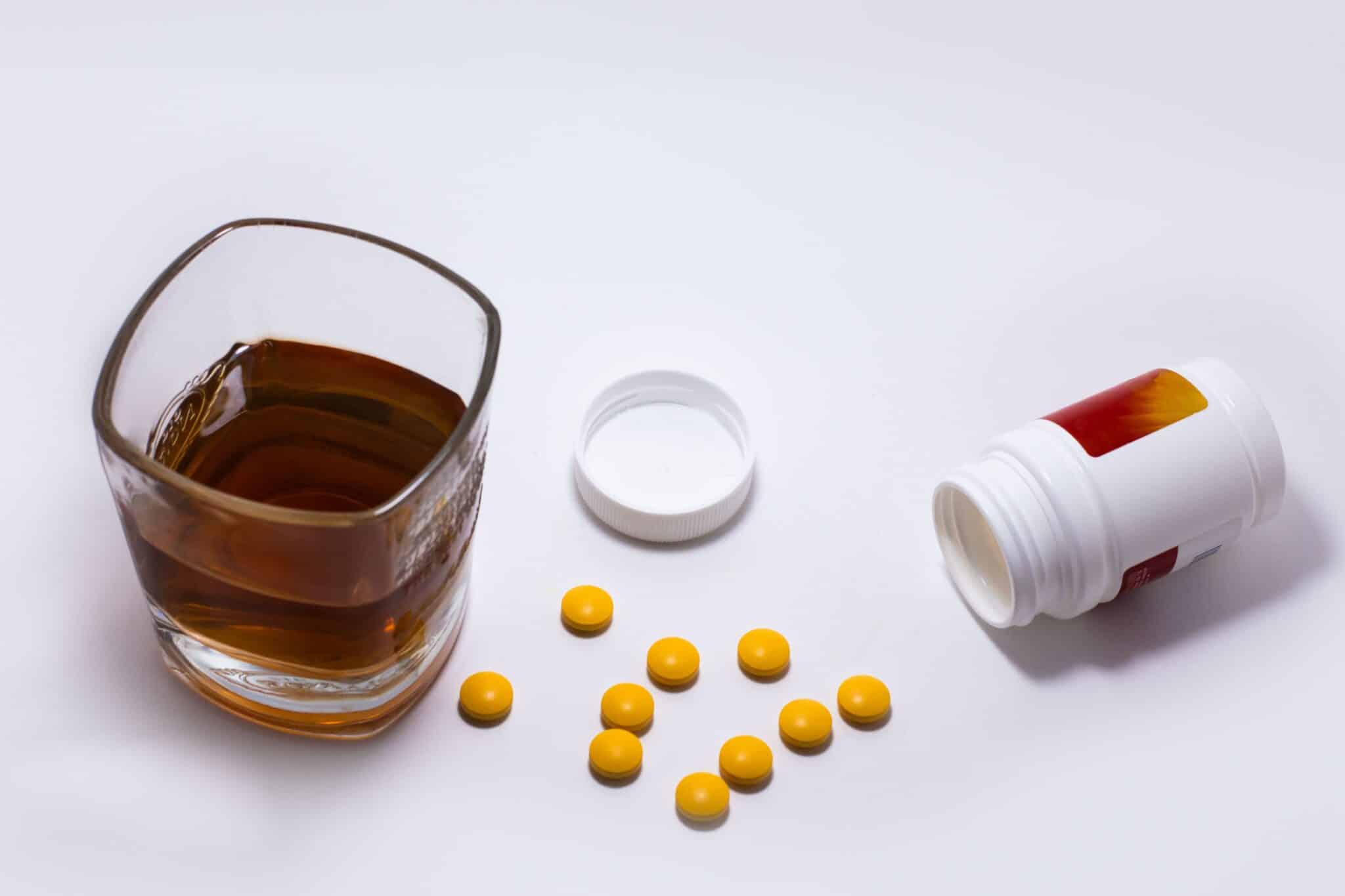
Here is what a lot of people do not talk about. During active addiction, substances were handling the anger for you. Drinking dulled it. Pills numbed it. Whatever the substance was, it gave you a way to skip past the feeling without actually dealing with it. So when you get sober, all that unprocessed anger is still sitting there. And now you do not have the thing you used to reach for when it got too loud. That is not a flaw in your recovery. That is just the reality of what happens when you start feeling things again without a buffer.
Recognizing What Anger Looks Like for You
The first step is recognizing what anger actually looks like for you. It is not always yelling or slamming doors. Sometimes it shows up as irritability that lasts all day. Sometimes it is a tight jaw or clenched fists you do not notice until someone points it out. Sometimes it looks like withdrawing from people because everything they say feels like a personal attack. Anger wears a lot of different masks, and the better you get at identifying yours, the faster you can catch it before it takes over.
Pay attention to what comes right before the anger. There is almost always something underneath it. Fear, hurt, feeling disrespected, feeling out of control. Anger is usually the bodyguard for a more vulnerable emotion. When you can name what is actually going on beneath the surface, the anger loses some of its grip. That does not mean it disappears. It just means you have more room to choose what to do next instead of running on autopilot.
Physical Outlets and the Pause Habit
Physical outlets make a real difference when anger spikes. This is not about punching a wall or screaming into a pillow, even though people joke about that. It is about giving your body a way to burn off the adrenaline that floods your system when you get angry. A fast walk, a hard workout, even just stepping outside and taking ten deep breaths can shift your body out of that fight mode. The anger does not vanish, but the intensity drops enough that you can think clearly again.
One thing that helps long term is building what therapists call a pause habit. It is simple but not easy. When you feel the anger rising, you stop. You do not respond. You do not react. You just give yourself a few seconds of space. That pause is where everything changes. It is the difference between saying something you regret and taking a breath first. It is the difference between picking up the phone to call your sponsor and picking up something else entirely. The pause does not come naturally at first. You have to practice it over and over until it starts to feel less forced.

Talking About Anger and Mapping Your Patterns
Talking about your anger openly is something a lot of people resist, especially in recovery. There is this unspoken expectation that you should be calm and grateful all the time now that you are sober. But pretending you are not angry does not make the anger go away. It just pushes it underground where it builds pressure until it blows. Having honest conversations with a therapist, a group, or someone you trust about what makes you angry and how it feels in your body is one of the most effective ways to take the power out of it.
It also helps to look at the patterns. Are there specific people who consistently trigger your anger? Certain times of day when your patience runs thin? Situations that always seem to escalate? Once you start mapping those patterns, you can plan around them. Maybe you need to set a boundary with someone. Maybe you need to avoid certain conversations when you are tired or hungry. Maybe you need to leave a situation earlier than you normally would. None of that is weakness. That is strategy.
Anger Is Not the Enemy
There is something important to understand about anger in recovery. It is not the enemy. Anger is a normal human emotion and you are allowed to feel it. The problem is not that you get angry. The problem is when anger becomes the thing that drives you back to old habits. Research from the National Institute on Drug Abuse consistently shows that unmanaged emotional triggers are among the leading contributors to relapse. Learning to feel angry without letting it control your actions is one of the hardest skills in recovery, and also one of the most freeing. You do not have to become someone who never gets mad. You just have to become someone who can be mad without burning everything down.
Recovery is full of moments that test you, and anger will be one of the biggest tests you face. But every time you sit with it instead of running from it, every time you choose a different response, you are rewiring how your brain handles stress. That is not small. That is the kind of change that compounds over time and makes staying sober feel less like a fight and more like a choice you are genuinely making for yourself.
Get the Support You Need at Comfort Recovery
At Comfort Recovery, we help people develop the emotional tools they need to stay sober for the long haul. Our treatment programs include individual therapy, group support, and evidence-based approaches designed to help you manage triggers like anger and build a recovery that lasts. Reach out today to learn more.
Frequently Asked Questions
During active addiction, substances numb or suppress emotions like anger. When you get sober, all that unprocessed anger resurfaces without the buffer you used to rely on. On top of that, your brain is recalibrating how it handles stress and emotional regulation, which can make anger feel sharper and more overwhelming than it did before. This is a normal part of early recovery and tends to improve as your nervous system stabilizes and you develop healthier coping strategies.
Yes. Anger is one of the most common emotional triggers for relapse. When anger spikes, it floods the body with adrenaline and puts the nervous system into fight mode, which impairs decision making. In that heightened state, the urge to use can feel automatic and overwhelming. That is why learning to recognize anger early and having practical tools to manage it, such as physical outlets, pause habits, and open communication, are critical components of a strong relapse prevention plan.
Effective strategies include physical movement like brisk walking or exercise to burn off adrenaline, building a pause habit where you stop and breathe before reacting, identifying what emotion is underneath the anger such as fear or hurt, talking openly with a therapist or trusted person, and mapping your anger patterns to plan around known triggers. The goal is not to eliminate anger but to create enough space between the feeling and your response so you can make a conscious choice instead of reacting on autopilot.